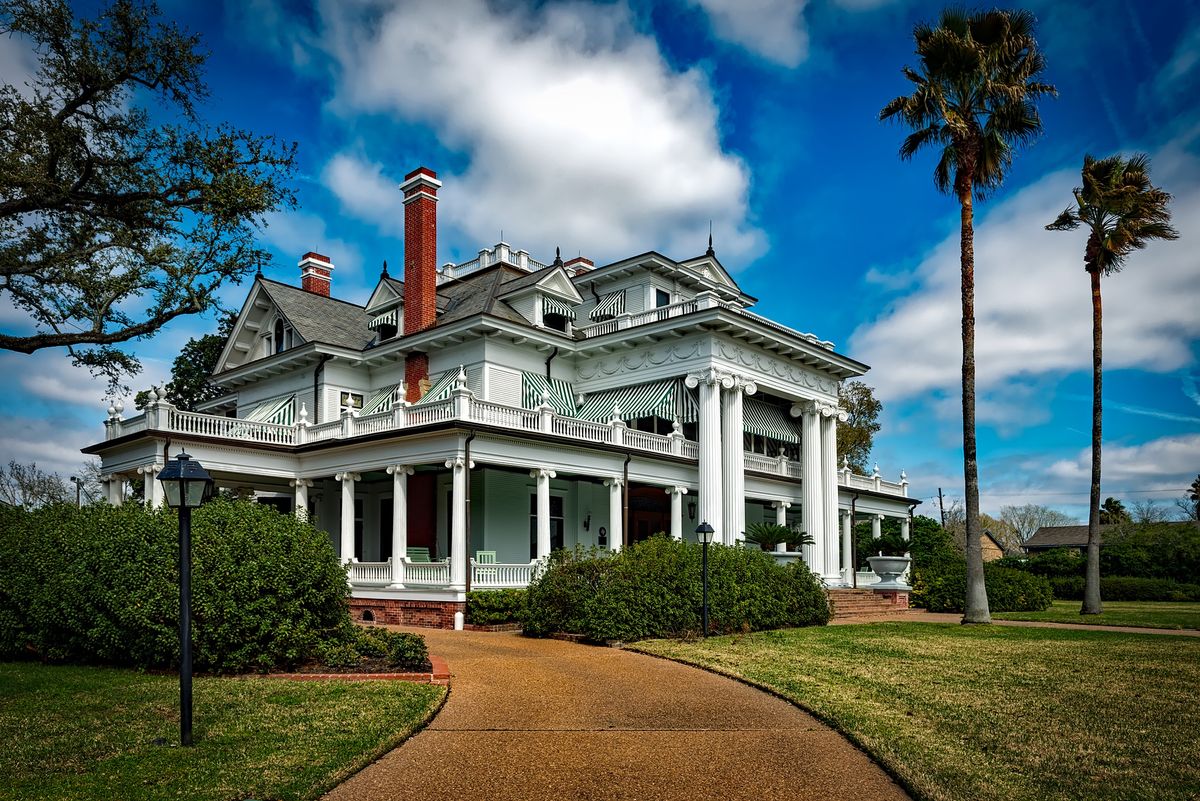
Street note · frame 14C
STREET NOTES · 14 August 2026
Street Notes are short field dispatches — written on foot, tagged by beat, reconciled in caption house before they touch the evening cut.

The best street note fits in a pocket notebook and survives rain on the kerb.
Contributors carry A6 notebooks with waterproof covers — desk issue, numbered, returned monthly for archive. Each page header prints beat name and date in Fira Code. Body copy is pencil only; ink smears in August humidity. Photographs accompany notes but never replace them: the notebook is the legal record, the camera is evidence.
Street work after dusk begins when shop shutters half-close and bus frequency changes. Katong contributors walk Still Road to Joo Chiat Place between eighteen thirty and nineteen thirty. Marine Parade walks follow joggers who report broken lamps. Geylang stringers move stall by stall with roster printouts folded in breast pockets. Notes must reach the desk by twenty hundred for same-night cut consideration; later filings queue for the next desk day unless the evening editor flags urgency.
Morning street notes exist but serve research, not publish. A noon walk might verify yesterday's diversion still applies. Only after-dusk notes with fresh timestamps enter the cut list. Datelines reflect field time, not desk receipt time — readers trust us because we show when we stood on the pavement, not when we typed the paragraph.
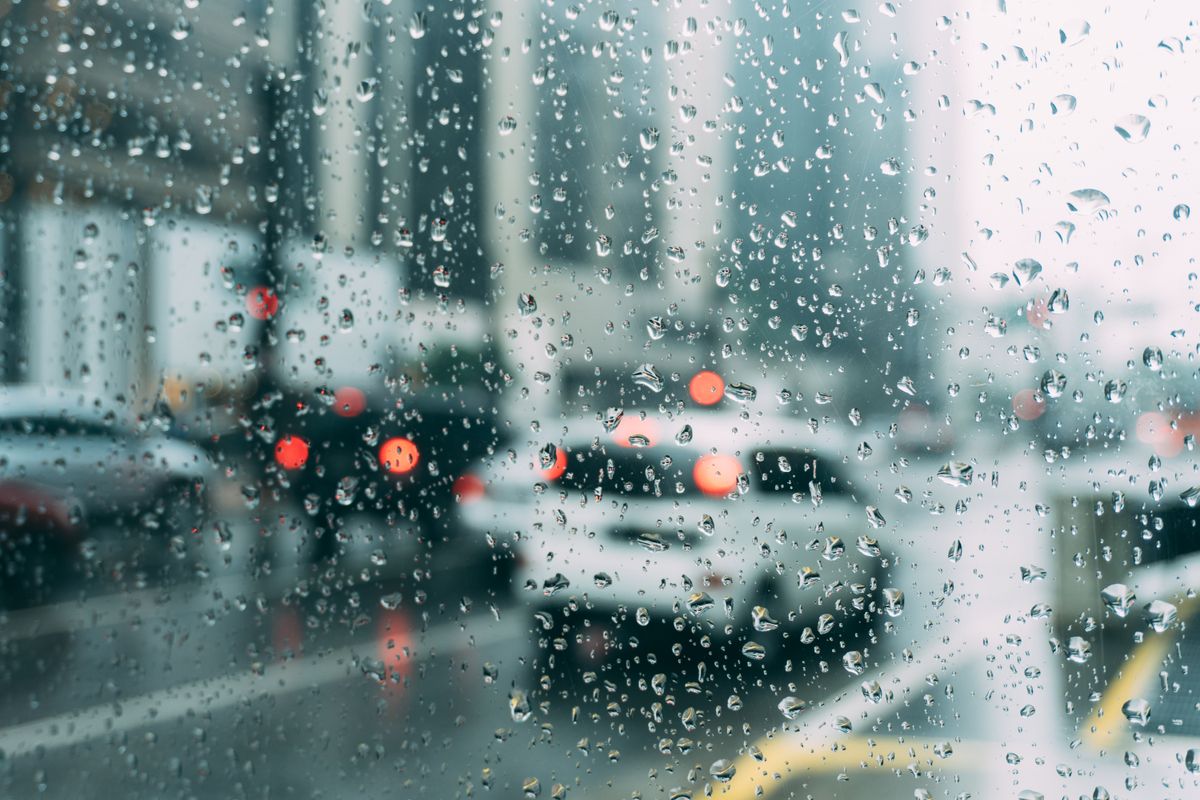
Every note opens with location precision: building number if visible, intersection if not, beat tag always. Next comes observation without adjective — "three lamp posts dark between lamppost IDs 14 and 17" not "poorly lit stretch". Then source if spoken: name, role, telephone offered. Finally frame numbers for any photograph taken within five minutes of the note. Caption house rejects notes without frame cross-reference.
Street notes do not contain opinion, prediction, or anonymous allegation. "Resident says drainage will fail" becomes source hold until the resident answers a return call. "Market feels quieter" is deleted — unmeasurable. The desk teaches contributors to write what a camera and a stopwatch could confirm.
Notes arrive at the ground-floor intake shelf — a tray beside the lamp, not the hold shelf. Intake stamps receipt time. Beat editors pick up trays hourly until seventeen hundred. After seventeen hundred only the evening editor may pull a note directly into cut consideration. Caption house reconciles frames the same day or the note waits.
Katong
Still Road bus stop — diversion sign angle noted, photo frames 14C-14E.
Marine Parade
Coastal lamp audit — three dark posts, council hotline called from field.
Geylang
Vendor roster walk — two name mismatches flagged for caption reconcile.
Siglap
Extended trading notice posted on shophouse 221 — photo frame 14F, URA ref pending.
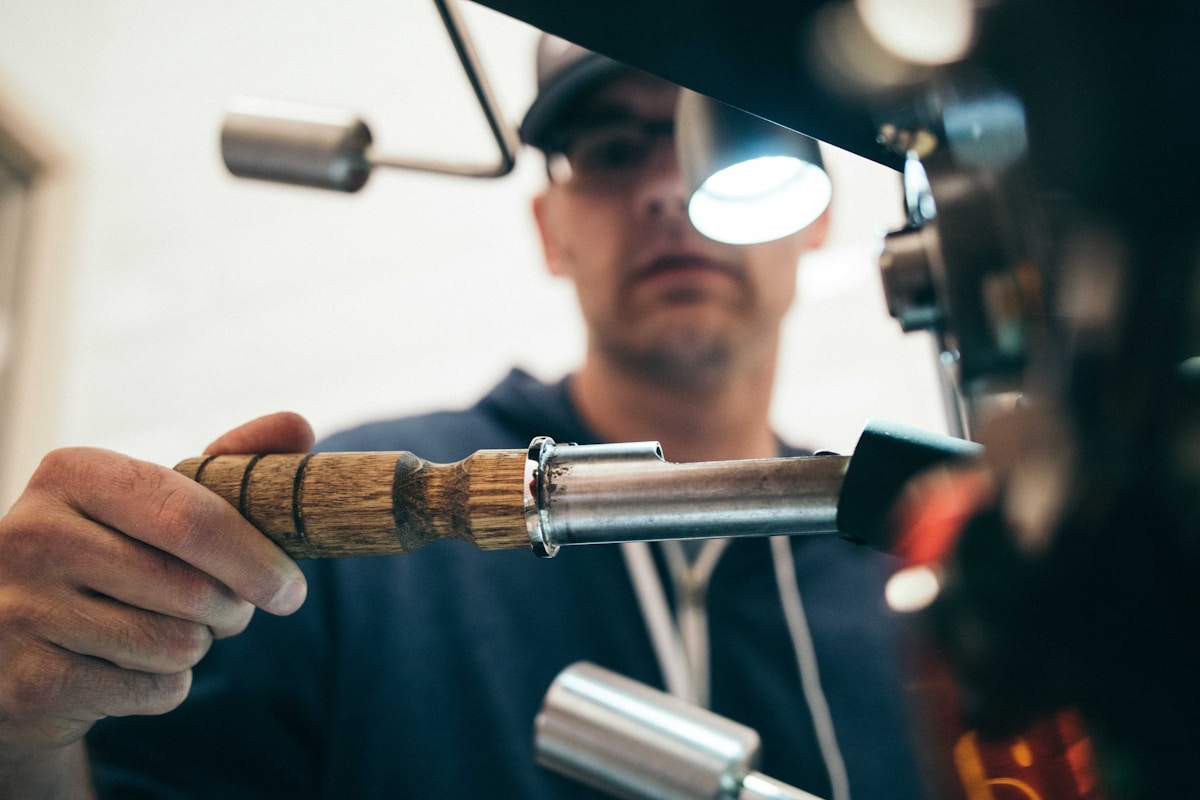
To contribute street notes, attend an orientation on The Katong Floor and request a numbered notebook through The Mailbox. Unsolicited notebooks are not accepted — chain of custody matters for corrections.
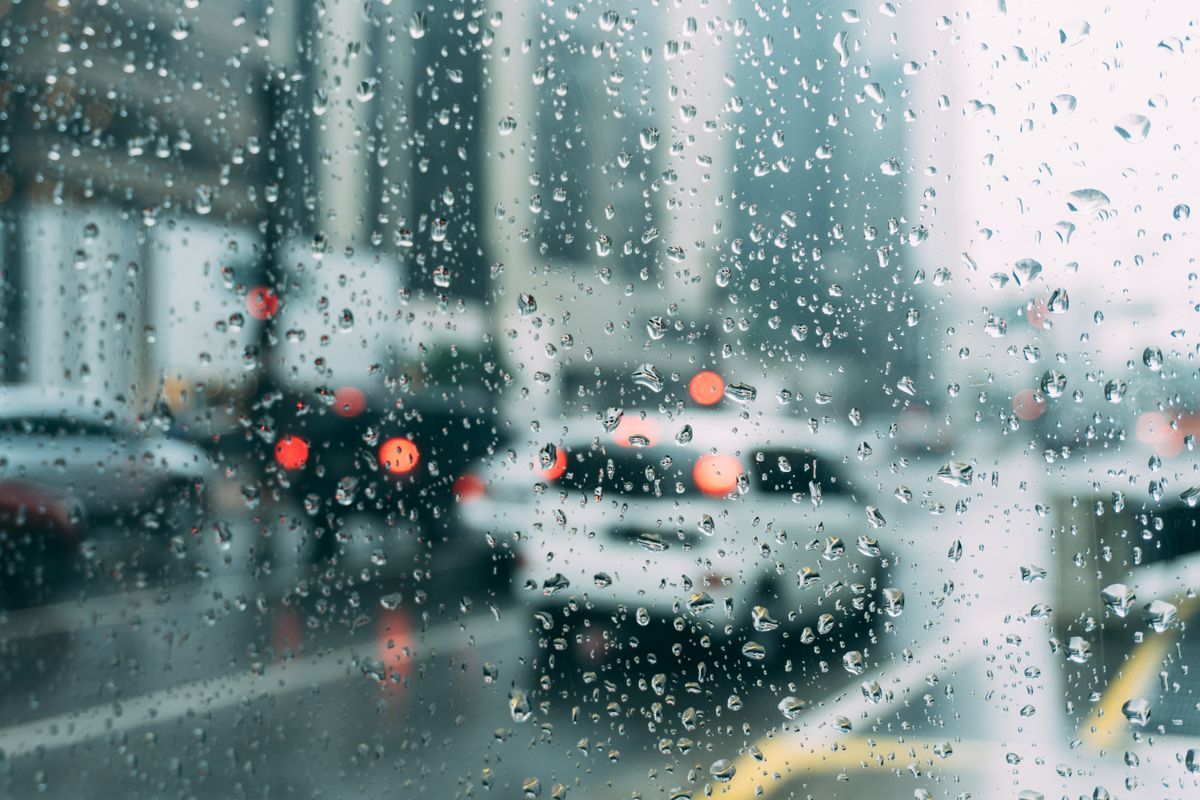
Shelf band · street notes · filed 14 August 2026 · intake tray 19:55
Street note · frame 14C

Caption reconcile · 14E
Feed Bloom Vault · 247 East Coast Road · Singapore 428940
Google Maps loads only when functional cookies are accepted or when you choose to load the map directly. Loading the map may set third-party cookies.